
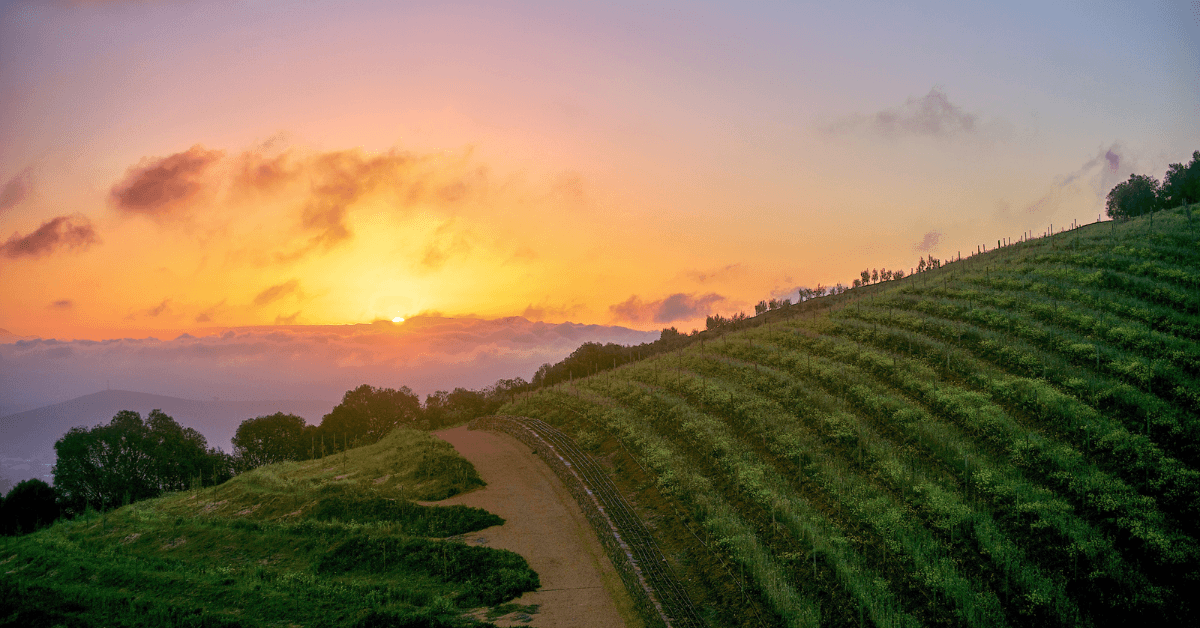
Cape Town is surrounded by wine country, but choosing where to go is not always as straightforward as it first appears. Stellenbosch, Franschhoek and Paarl form the familiar Cape Winelands circuit, while Constantia and Durbanville offer vineyard experiences within Cape Town itself. Continue further towards Hermanus, and the landscape shifts again as you enter the cool-climate Hemel-en-Aarde Valley.
This guide begins with the classic Cape Winelands circuit before exploring Constantia and Durbanville, two of the closest wine regions to Cape Town city centre. It then continues towards the Hemel-en-Aarde Valley near Hermanus for travellers prepared to venture beyond the usual routes.
While these destinations are often considered together when planning a wine-focused trip from Cape Town, each offers a distinctly different experience. Mountain ranges, coastal influence, soil conditions and local character shape everything from the wines produced to the pace and atmosphere of a visit.
What Are the Cape Town Winelands?
The Cape Winelands are a large wine-producing region beyond Cape Town, made up of historic towns, farming areas and valleys with long-established winemaking traditions. Stellenbosch, Franschhoek and Paarl form the best-known visitor circuit and are home to many of South Africa’s most recognised wine estates, restaurants and tasting experiences.
The wider Cape Winelands region extends far beyond this familiar route. It also includes wine-producing areas around Wellington, Tulbagh, Wolseley, Worcester, Rawsonville, Robertson, Bonnievale and Montagu, together with the smaller towns, farms and valleys between them.
Travellers staying in Cape Town also have access to several wine regions that fall outside the Cape Winelands. Constantia and Durbanville are both within the City of Cape Town, while Elgin and the Hemel-en-Aarde Valley lie further afield in the Overberg.
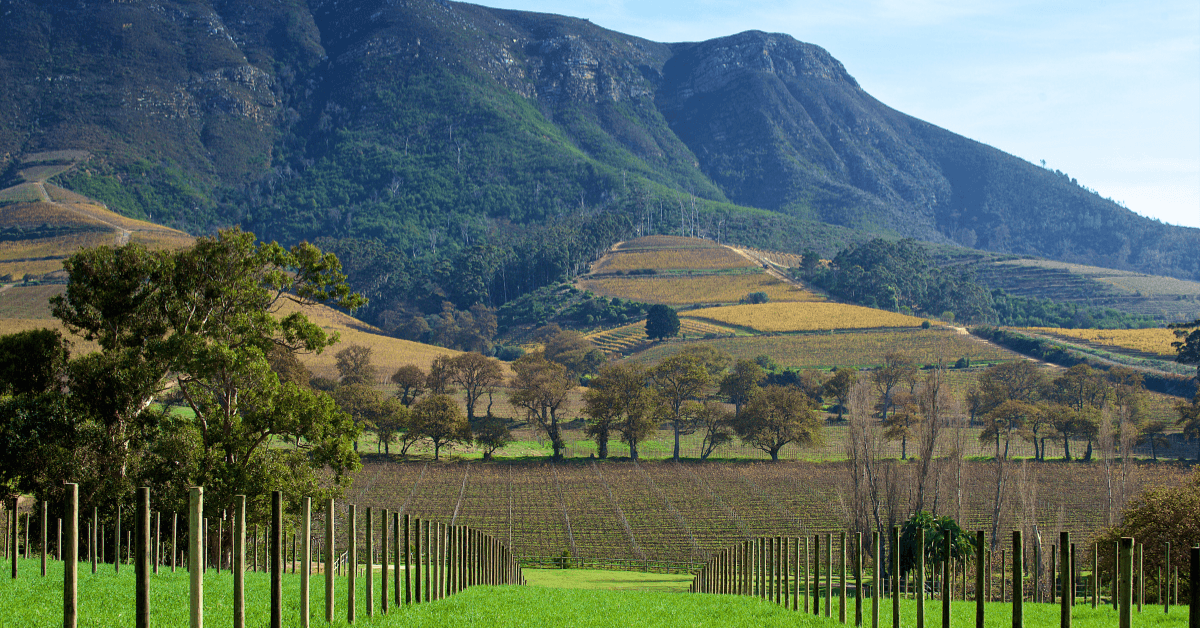
The Classic Cape Winelands Circuit
These three regions form the backbone of most introductory tours of the wine routes around Cape Town. They sit relatively close to one another, yet each carries a distinct identity, shaped by history, landscape, and tourism style.
Stellenbosch
Stellenbosch combines one of South Africa’s longest winemaking traditions with a strong academic and research presence. Its oak-lined town centre, Cape Dutch architecture and strong wine-tourism infrastructure make it easy to explore, although the surrounding estates are spread across several wine routes and require transport.
Many Stellenbosch wine farms are set up for full visitor experiences, combining tastings with cellar tours, restaurants, accommodation and vineyard activities.
Expect guided tastings, cellar tours, busy weekends, particularly in summer, and a blend of student-town energy and heritage tourism. Stellenbosch is efficient, scenic, and ideal for visitors who want variety in a compact, well-organised wine destination.
Franschhoek
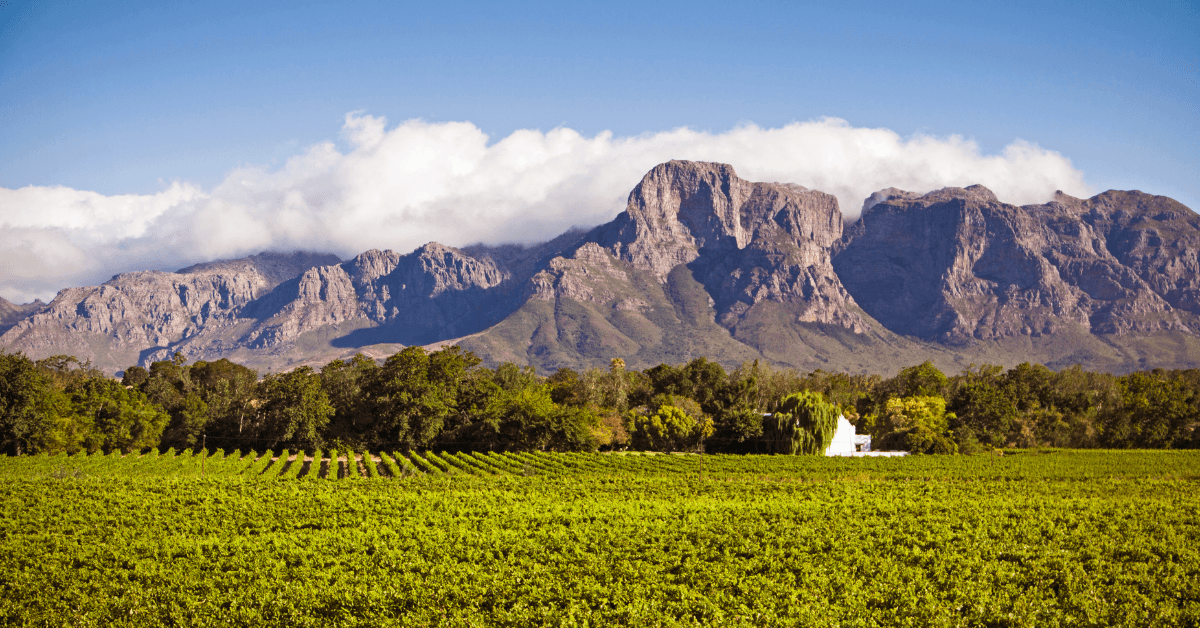
Franschhoek feels more curated, almost designed around indulgence. It combines wine, food, and scenery into a slower, more immersive experience where long lunches are as important as tastings.
One of the valley’s best-known attractions is the Franschhoek Wine Tram, a hop-on, hop-off experience that connects visitors with different estates using a combination of tram and tram-bus routes. It allows travellers to build a day around wine tastings, cellar tours, vineyard walks and lunch stops without driving themselves between farms.
Alongside the Wine Tram, visitors can choose from guided Franschhoek wine tours, high-end restaurants, tasting menus, boutique estates and attractions such as the Franschhoek Motor Museum.
Franschhoek is where wine culture leans into refinement and leisure, offering a polished experience built around food, wine and the landscape.
Paarl
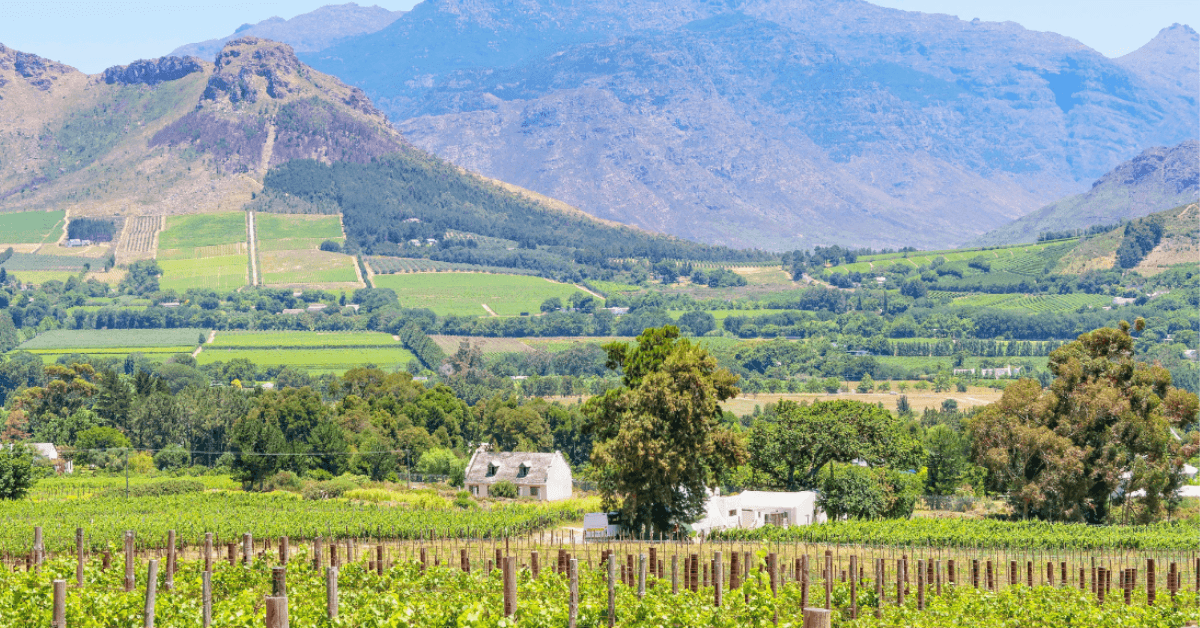
Compared with the busiest parts of Stellenbosch and Franschhoek, Paarl can feel more spacious and less concentrated, with larger estates and greater distances between tasting venues.
It offers fewer crowds, larger estates with more open space, greater distance between tasting venues and a more relaxed, less commercial atmosphere.
For travellers seeking the wine region without peak-season intensity, Paarl provides room to slow down.
A Hidden Gem of the Cape Winelands
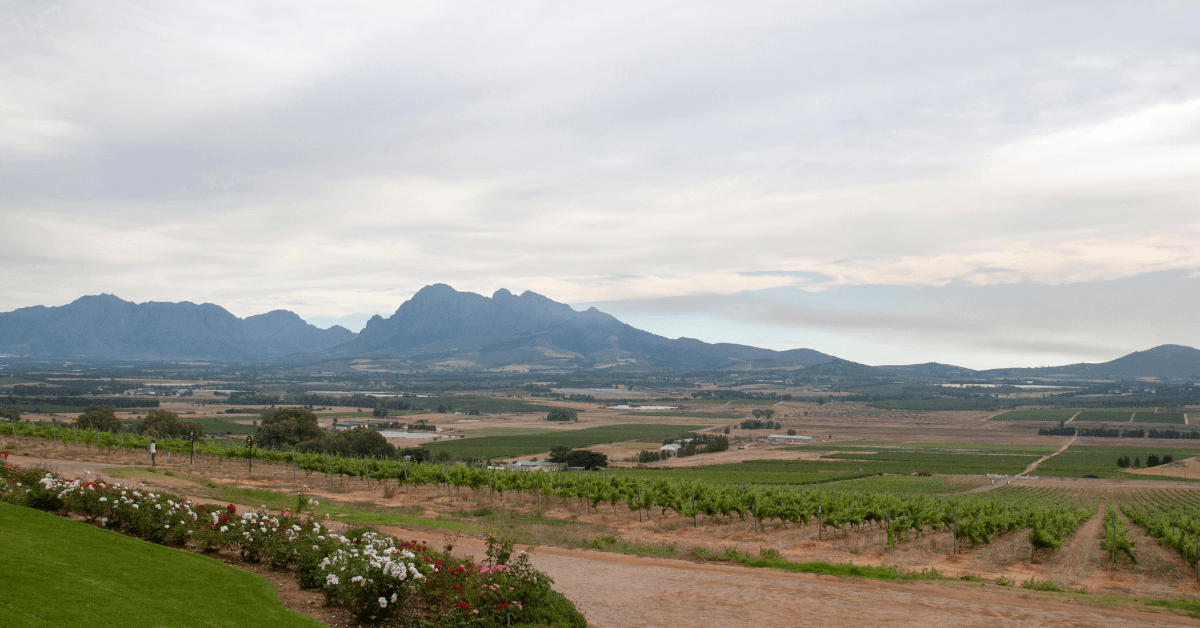
Wellington is often overlooked in favour of Stellenbosch, Franschhoek and Paarl, but it offers a very different kind of Winelands experience. Framed by the Hawequa Mountains, the area is known for its historic farms, dramatic scenery and quieter, less commercial atmosphere.
It is also closer to Cape Town than many visitors realise. Wellington is around 8 km closer to the city than Franschhoek, making it a practical option for travellers who want to explore beyond the most familiar wine routes without adding significantly more time to the journey.
Bosman Family Wines, Wellington
As the sister wine farm to Bosman Hermanus, Bosman Family Wines in Wellington offers visitors another way to experience the Bosman story, this time in the historic heart of the Cape Winelands.
The Wellington tasting experience brings together the farm’s long winemaking heritage, mountain and vineyard scenery, and a relaxed, family-friendly setting. It is a particularly good option for visitors travelling with children or those looking for a quieter tasting experience away from some of the busier Winelands destinations.
For travellers who already have Stellenbosch, Franschhoek or Paarl on their radar, Wellington is well worth considering as a less obvious addition to the itinerary.
The Closest Wine Regions to Cape Town City Centre
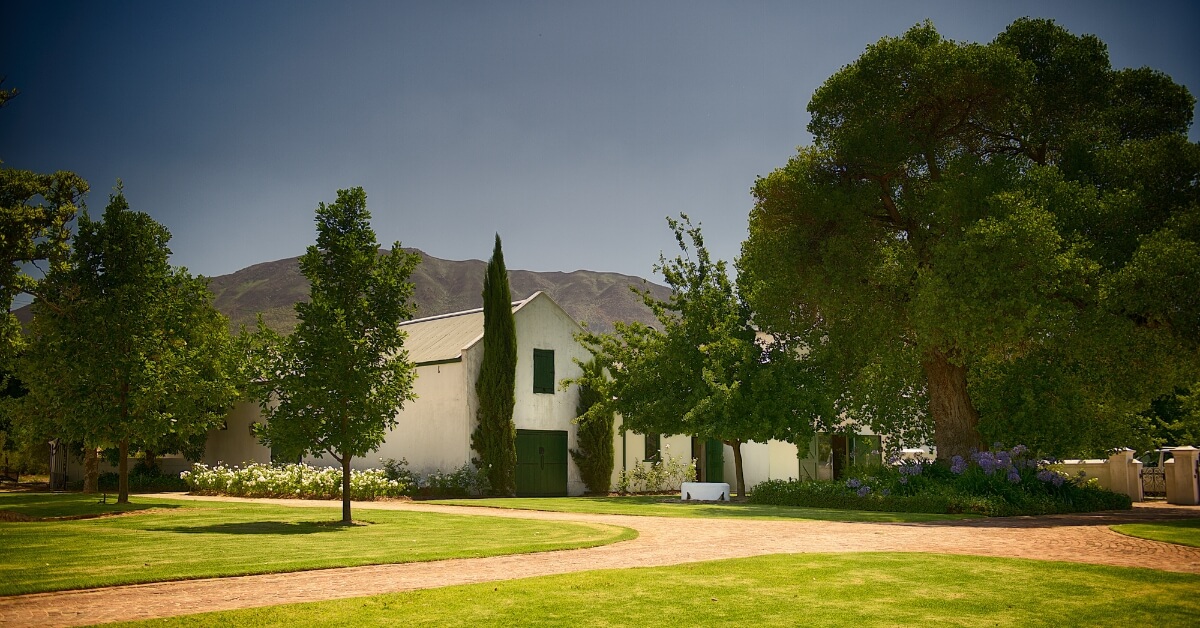
When talking about wine near Cape Town, Constantia and Durbanville deserve a place in the conversation. Both lie within the wider city boundaries and offer some of the most accessible vineyard experiences from the city centre, making them natural options for visitors who want to enjoy wine country without travelling too far.
Constantia
Constantia lies within Cape Town’s southern suburbs, making it one of the most accessible wine regions from the city centre. Constantia is home to Groot Constantia, established in 1685 and recognised as South Africa’s oldest wine farm still in production.
Unlike the inland valleys, Constantia has a cooler, more sheltered feel. The greenery is denser, the surroundings more suburban, and the pace noticeably calmer. It is not a destination that requires a full day, but rather one that works well as a half-day experience, especially when paired with time in Cape Town.
It is especially popular for wine tasting in Cape Town, where visitors combine city sightseeing with short vineyard visits without committing to a full wine route itinerary.
Among the wine regions accessible from central Cape Town, Constantia combines historic estates and leafy vineyard scenery with the convenience of remaining close to Cape Town’s central attractions.
Durbanville
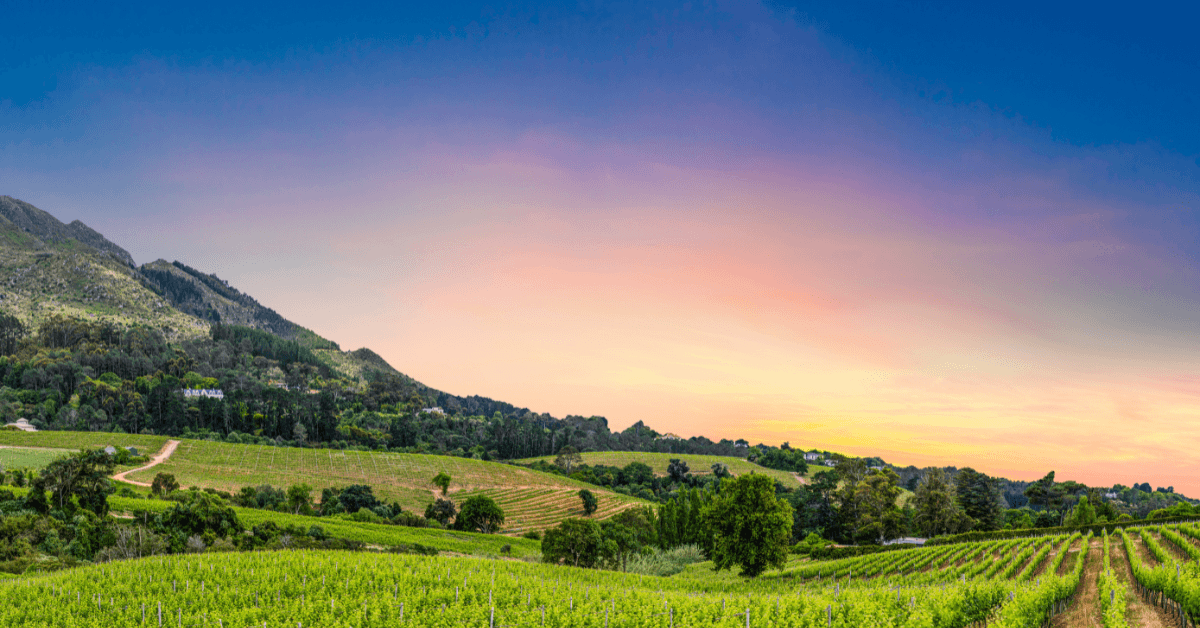
The Durbanville wine valley lies on Cape Town’s northern edge, with vineyards spread across the rolling slopes of the Tygerberg Hills. The valley’s agricultural and winegrowing history reaches back to the early development of farming at the Cape, and several of its present-day estates occupy historic farms established during that period.
Although slightly further from the city centre than Constantia, Durbanville remains one of Cape Town’s most accessible wine regions. Its vineyards are influenced by cooling Atlantic breezes, and the valley is particularly well known for Sauvignon Blanc, while also producing a range of cool-climate red and white wines.
The landscape feels surprisingly rural for an area within Cape Town, with open vineyards, farm restaurants and views towards Table Mountain and Table Bay. It works equally well for a short tasting excursion or a more relaxed day spent moving between estates.
The Hemel-en-Aarde Valley: The Road Less Travelled
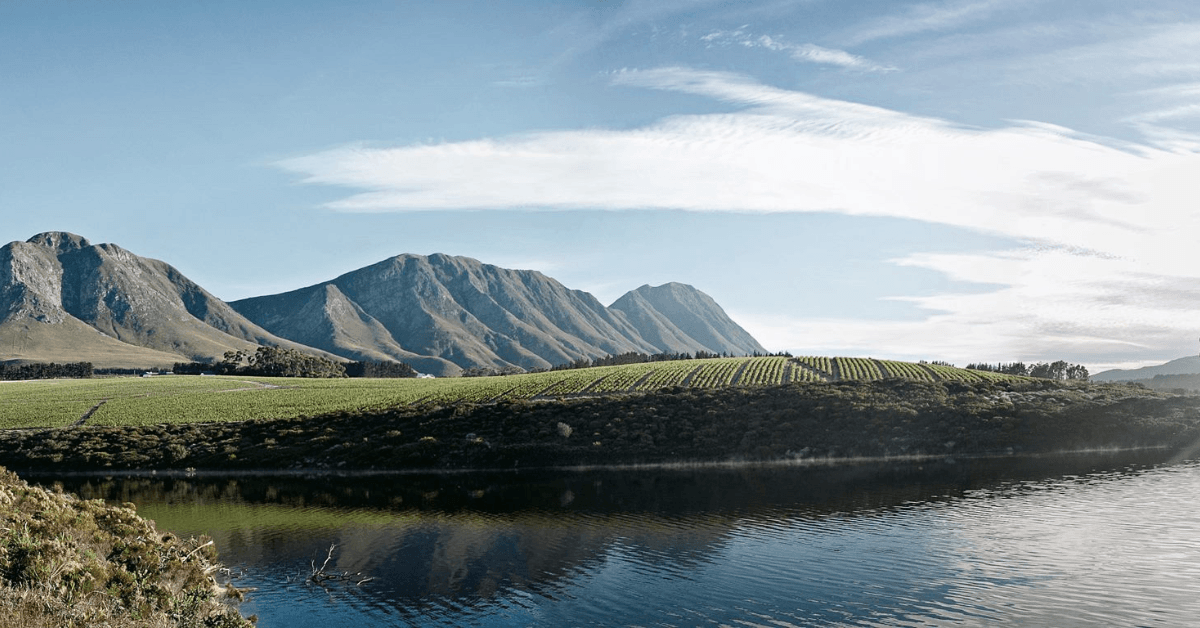
The Hemel-en-Aarde Valley, just outside Hermanus, is one of the most distinctive parts of the surrounding wine regions. The journey itself is part of the experience as you leave the coastline and begin climbing the Hemel-en-Aarde Pass; the air shifts. The ocean falls away behind you, the road narrows, and the landscape opens gradually into long vineyard rows, fynbos-covered slopes, and a stillness that feels almost suspended.
Hemel-en-Aarde is one of South Africa’s leading cool-climate wine areas, shaped by its proximity to the Atlantic Ocean, varied elevations and ancient soils. The valley is especially known for Pinot Noir and Chardonnay, where structure and freshness are closely tied to place. Across the Hemel-en-Aarde Valley wine farms, the effects of altitude, soil and maritime influence are expressed differently from one site to the next.
Unlike the busier wine routes closer to the city, this valley encourages a different pace. The route can feel quieter and less structured than the busiest parts of Stellenbosch or Franschhoek, encouraging visitors to spend longer at fewer estates.
Bosman Hermanus
In the Upper Hemel-en-Aarde Valley, the farm is built around wine, nature, and hospitality as one connected experience, not a quick tasting stop. The experience is designed so movement between spaces feels natural rather than scheduled. You’ll drift through:
- Open tasting areas overlooking the valley
- Walking trails through fynbos and renosterveld
- A working flower farm producing proteas and indigenous foliage
- Tapas-style small plates designed to accompany the wines
One of our most distinctive features is the Koppie Trail. The roughly hour-long trail winds up a low hill through the fynbos before reaching a viewing point overlooking Walker Bay. In quieter moments, you might spot a ribbok or duiker moving through the terrain, or perhaps even a porcupine.

For travellers seeking Hemel-en-Aarde wine valley experiences, this combination of wine, nature, food and open space offers an immersive alternative to the more familiar wine routes closer to Cape Town.
Choosing the Right Winelands Area for Your Day
Choosing where to go depends less on distance and more on what kind of day you actually want. A quick tasting close to the city calls for a very different plan than a full day built around scenery and quiet. The regions below each suit a particular mood, so it helps to think about the experience first and let that decide the destination.
Want Maximum Choice and Variety?
Stellenbosch and Franschhoek both work well here because they offer a wide choice of estates, restaurants and established tasting routes. Organised transport options also make it easier to visit several stops without driving yourself.
Looking for a Food and Wine Pairing Experience?
Franschhoek is where to look, specifically for estates that build their menus around the wine rather than treating food as an afterthought. Several of the valley’s leading estates structure the meal so each course arrives with a specific glass chosen to match it, turning lunch into something closer to a tasting than a standard restaurant sitting.
Need To Stay Close to Cape Town CBD?
Constantia is the easiest option. It’s close enough to the city that you don’t need to commit to a full day, the estates are historic and easy to visit, and there’s no shortage of restaurants nearby with lovely views if you want to make a longer afternoon of it.
Looking for Peace, Nature, and a Slower Pace?
Make the drive through the Hemel-en-Aarde Valley. The route itself is part of the experience, worth doing even before you reach your first tasting, and it’s easy to stop at a few farms along the way and build in a proper lunch stop rather than rushing between estates.
Want Wine, Views and an Easier Drive?
Durbanville is a convenient choice for visitors who want vineyard scenery, farm restaurants and views towards Table Mountain without travelling as far as Stellenbosch or Franschhoek. It is particularly practical for those staying in Cape Town’s northern suburbs.
Travelling with Kids?
Bosman Hermanus is worth considering, with open lawns, a play area, and tasting spots positioned so parents can watch their kids play while they taste. Not every wine farm is set up for children, so if you’re travelling as a family, it’s worth checking ahead that the wine farm you are visiting has a play area and child-friendly food and drink options.
Each region rewards a different kind of day. The Cape Town Winelands work best when the destination matches the experience you’re actually after, rather than picking somewhere just because it’s the most well-known name on the list.

Practical Tips for Visiting the Wine Regions Around Cape Town
A well-planned visit makes a noticeable difference in how the wine regions around Cape Town are experienced.
Best Time To Visit
There is no single best time to visit. Summer offers long, warm days but attracts larger crowds, particularly in Stellenbosch and Franschhoek. Early autumn can bring harvest activity, milder temperatures and changing vineyard colours, making March and April especially appealing. Harvest activity may continue into March or early April at some estates, depending on the region, cultivar and growing season.
Self-Driving vs an Organised Tour
Most wine regions are best explored by car due to the distances between estates and their varied locations. If you plan multiple tastings, a designated driver or an organised wine tour from Cape Town is a practical option that removes logistical pressure.
Booking Ahead
Looking ahead is recommended, particularly for weekends, peak travel periods and experiences involving food, guided tastings or limited seating. Check each estate’s current requirements before travelling.
What To Wear
Weather conditions can shift quickly between regions. The Hemel-en-Aarde Valley in particular can feel cool even on warm days, so layered clothing is recommended. Comfortable shoes are useful if you plan to walk trails or explore uneven terrain.
Across the Cape Town Winelands, flexibility tends to matter more than rigid planning, as each valley has its own pace and conditions.
Choosing Your Wine-Country Journey From Cape Town
For many visitors, Stellenbosch, Franschhoek and Paarl form the familiar introduction to the Cape Winelands, but they are not the only wine destinations accessible from Cape Town. Constantia and Durbanville offer accessible wine experiences within the city’s wider boundaries, while the Hemel-en-Aarde Valley rewards those prepared to continue further towards Hermanus.
For those drawn to that quieter side of wine country, Bosman Hermanus brings wine, food and the surrounding landscape together in one unhurried experience.
Visit Bosman Hermanus to experience the wines, fynbos and open spaces of the Upper Hemel-en-Aarde Valley. Book your tasting or visit today.